
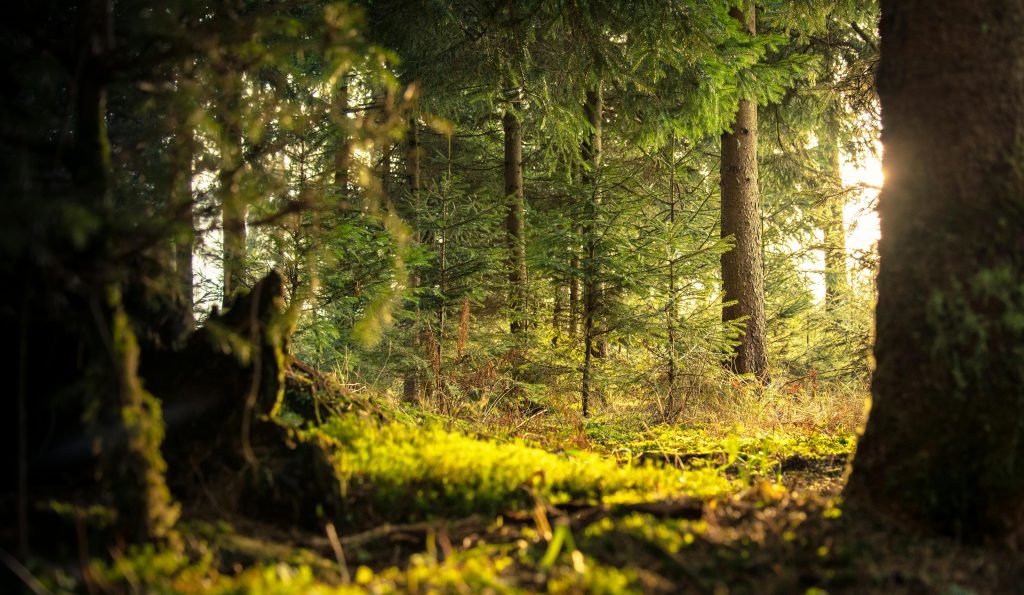
In our fast-paced, hyperconnected world, it has become increasingly important to find ways to disconnect from the digital noise and reconnect with nature. One powerful practice that has gained global recognition is “forest bathing,” or in its original Japanese term, Shinrin-Yoku. This practice is not about physical bathing in water but immersing oneself in the atmosphere of the forest, absorbing its sights, sounds, and smells to improve overall well-being. Research has shown that forest bathing offers numerous mental, physical, and emotional health benefits, making it a powerful tool for holistic wellness.
What is Forest Bathing (Shinrin-Yoku)?
Forest bathing, or Shinrin-Yoku, was developed in Japan in the 1980s as part of a national health initiative aimed at promoting relaxation and reducing stress. The term “Shinrin-Yoku” translates directly to “taking in the forest atmosphere” or “forest therapy.” It is a mindful practice that involves walking slowly through a forest or natural environment, focusing on the sensory experience without the distractions of technology or everyday concerns.
Unlike hiking, forest bathing is not goal-oriented; it isn’t about reaching a destination or covering a set distance. Instead, the practice encourages individuals to move slowly, observe their surroundings, breathe deeply, and engage all their senses to fully experience nature’s therapeutic effects.
The Science Behind Forest Bathing
In the past few decades, numerous scientific studies have explored the benefits of spending time in nature, and the findings are compelling. Forest bathing has been found to lower cortisol levels, reduce blood pressure, boost immune function, and improve overall psychological well-being. But how does walking through a forest yield such profound results?
At the core of forest bathing’s healing potential is the interaction between the human body and nature’s biochemistry. Trees, plants, and soil release compounds called phytoncides, which are airborne substances that help plants defend themselves from insects and pathogens. These phytoncides are beneficial to humans as well. When inhaled, they have been shown to increase the activity of natural killer (NK) cells, a type of white blood cell that plays a crucial role in our immune system by attacking virus-infected cells and tumor cells.
Additionally, exposure to nature has been linked to reduced activity in the prefrontal cortex, the part of the brain associated with rumination, negative thought patterns, and stress. This reduction in mental activity contributes to a feeling of calm and can help alleviate symptoms of anxiety and depression.
Mental Health Benefits of Forest Bathing
1. Reduction in Stress and Anxiety
One of the most well-documented benefits of forest bathing is its ability to reduce stress. Studies have consistently shown that spending time in natural environments lowers levels of cortisol, the body’s primary stress hormone. In one Japanese study, participants who spent time walking in the forest exhibited a 16% decrease in cortisol levels compared to those who walked in an urban setting.
This stress-reducing effect is also linked to the activation of the parasympathetic nervous system, which is responsible for rest and relaxation. Forest bathing helps the body switch from the “fight-or-flight” mode of the sympathetic nervous system to the “rest-and-digest” state, promoting a sense of calm and emotional balance.
2. Improvement in Mood and Reduction in Depression
Time spent in nature has also been shown to improve mood and alleviate symptoms of depression. A study conducted in 2010 found that individuals who participated in forest bathing reported significantly lower levels of depression, anger, and fatigue compared to those who spent time in an urban environment.
Forest environments have a unique ability to engage the senses in a way that stimulates positive emotions. The sounds of birds, the rustling of leaves, and the sight of sunlight filtering through the canopy create a serene and uplifting atmosphere that can help combat feelings of sadness or hopelessness.
3. Enhanced Focus and Cognitive Function
Forest bathing can also have a positive impact on cognitive function. Research has shown that exposure to natural environments enhances attention, memory, and creativity. This is particularly relevant in today’s world, where digital distractions and information overload are constant challenges to mental focus.
A study published in the journal Psychological Science found that participants who took a walk in nature performed better on tasks requiring directed attention than those who walked in an urban setting. Nature helps restore our capacity for focused attention by allowing our minds to wander in a low-stimulation environment, providing cognitive rest and rejuvenation.
Physical Health Benefits of Forest Bathing
1. Boosting Immune Function
One of the most remarkable physical benefits of forest bathing is its ability to enhance the immune system. Phytoncides, the essential oils emitted by trees, have been shown to increase the activity and number of natural killer (NK) cells in the human body. These cells play a critical role in immune defense by targeting virus-infected and cancerous cells.
In a 2009 study conducted by Dr. Qing Li, participants who spent three days and two nights in a forest exhibited a 50% increase in NK cell activity, and this effect lasted for more than a week after their forest immersion. Regular exposure to forests can therefore help boost immunity and reduce the risk of illness.
2. Lowering Blood Pressure and Heart Rate
Forest bathing has also been found to have a positive effect on cardiovascular health. Studies show that spending time in nature lowers blood pressure and heart rate, both of which are indicators of improved cardiovascular function and reduced risk of heart disease.
In one study, participants who engaged in forest bathing for just 30 minutes experienced a significant decrease in both systolic and diastolic blood pressure compared to those who walked in a city. This suggests that forest bathing can be a simple, natural way to support heart health and reduce the risk of hypertension.
3. Improved Respiratory Health
Breathing in the fresh, clean air of a forest has additional benefits for respiratory health. Forests are rich in oxygen, and the air is typically free from the pollutants and allergens that are common in urban environments. Spending time in a forest can help clear the respiratory system and improve lung function, particularly for individuals with asthma or other respiratory conditions.
Emotional and Spiritual Benefits of Forest Bathing
Beyond its physical and mental health benefits, forest bathing can also foster a sense of emotional and spiritual well-being. Nature has long been associated with feelings of awe, wonder, and interconnectedness, and forest bathing offers an opportunity to tap into these deeper aspects of the human experience.
1. Enhanced Mindfulness and Presence
One of the key aspects of forest bathing is the practice of mindfulness—being fully present in the moment and aware of one’s surroundings without judgment. This mindfulness allows individuals to slow down, tune into their senses, and experience a greater connection to the natural world. Over time, this can cultivate a sense of inner peace and emotional resilience.
2. Connection to Nature
Forest bathing helps individuals reconnect with nature in a meaningful way. In an increasingly urbanized world, many people have lost touch with the natural environment, and this disconnection can lead to feelings of isolation or a sense of alienation. By immersing oneself in a forest, there is an opportunity to rediscover the innate bond between humans and the natural world.
This reconnection can foster a sense of gratitude, empathy, and responsibility for the environment, encouraging individuals to take actions that support the health of the planet.
3. Spiritual Grounding
For many, spending time in nature is a spiritual experience. Forests, with their towering trees and ancient ecosystems, can evoke a sense of humility and reverence for the larger forces at play in the universe. This spiritual grounding can provide comfort and perspective, helping individuals navigate life’s challenges with greater clarity and purpose.
How to Practice Forest Bathing
Practicing forest bathing is simple and accessible. You don’t need to live near a remote wilderness or have extensive outdoor skills to benefit from the practice. Here are a few tips to get started:
- Find a Natural Setting: Choose a forest, park, or any natural area with trees and greenery. The size or location doesn’t matter as long as it offers a peaceful, immersive experience.
- Leave Technology Behind: Put away your phone, smartwatch, or any other devices that might distract you. The goal is to disconnect from technology and focus entirely on nature.
- Move Slowly and Mindfully: Walk slowly, take deep breaths, and engage your senses. Notice the textures, colors, sounds, and smells around you. You might even want to sit or lie down to fully absorb the environment.
- Spend Uninterrupted Time: Aim to spend at least 30 minutes to an hour in the forest. The more time you spend, the deeper the benefits, but even short visits can be impactful.
- Practice Regularly: The health benefits of forest bathing compound over time. Try to make it a regular practice, whether weekly, monthly, or whenever you need a mental and physical reset.
Conclusion
Forest bathing is a simple yet profound practice that offers numerous health benefits, from reducing stress and anxiety to boosting immune function and enhancing cognitive performance. As modern life becomes increasingly busy and disconnected from nature, practices like Shinrin-Yoku remind us of the importance of slowing down and reconnecting with the natural world. Whether you’re looking to improve your mental well-being, strengthen your body, or simply find a sense of peace, spending time in the forest can offer deep and lasting healing.