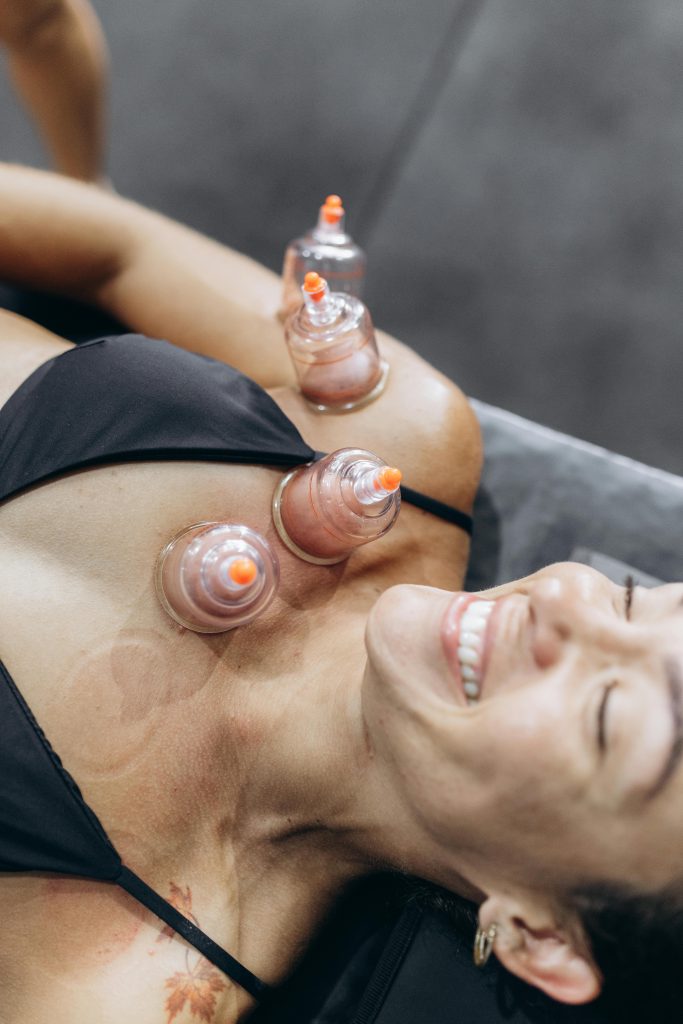
Have you ever seen someone sporting circular, bruise-like marks on their back and thought, “Did they lose a fight with an octopus?” Fear not, they haven’t. They’ve likely experienced the curious world of cupping therapy. But the question remains: does this ancient practice actually help with muscle recovery, or is it just a trendy way to look like you’ve been attacked by a giant suction cup?
What Is Cupping Therapy?
Before diving into its effectiveness, let’s understand what cupping therapy is. Originating in traditional Chinese and Middle Eastern medicine, cupping involves placing glass, silicone, or bamboo cups on the skin to create suction. This process is said to improve blood flow, reduce muscle tension, and, for some, deliver mystical feelings of wellness (or at least a temporary escape from work emails).
There are two main types: dry cupping, which is all about suction, and wet cupping, which involves small incisions for bloodletting. The latter is not for the faint of heart—or anyone squeamish at the sight of their own plasma.
The Science (or Lack Thereof) Behind Cupping Therapy
Here’s where things get tricky. Proponents of cupping therapy swear by its ability to ease sore muscles, reduce inflammation, and speed up recovery. Athletes like Michael Phelps have proudly flaunted their cup kisses at the Olympics, which certainly adds to the hype. But what does science say?
The Evidence for Muscle Recovery
Some studies suggest that cupping therapy may increase localized blood flow, which could help in flushing out toxins and delivering nutrients to muscles. By drawing blood to the skin’s surface, it’s thought that cupping can promote healing and reduce soreness. This is particularly appealing to athletes or anyone who’s ever hobbled out of the gym wondering why they paid to feel that kind of pain.
Additionally, some research hints that cupping might reduce levels of certain inflammatory markers in the body, which could contribute to faster recovery times. Proponents also point to its potential in relaxing tight muscles, which can improve range of motion and alleviate tension. However, these studies often lack rigorous controls, leaving plenty of room for scepticism.
Join Our Mailing List
Register now to get our hints and tips newsletter directly to your inbox
The Role of Placebo
One theory is that cupping stimulates the skin’s sensory nerves, tricking your brain into releasing pain-relieving chemicals like endorphins. Essentially, your body might think, “Wow, something’s happening here—time to feel better!” It’s like convincing yourself a kale smoothie is delicious; sometimes the belief is half the battle.
There’s also the psychological boost that comes with doing something proactive for your recovery. Whether or not the cups are truly miraculous, the ritual of cupping therapy can provide a sense of control and comfort—a win in itself for those dealing with chronic pain or muscle fatigue.
The Skeptical Side
Critics argue that any benefits are largely due to natural recovery or the placebo effect. After all, our bodies are inherently designed to heal. Rest, hydration, and proper nutrition can often achieve the same outcomes touted by cupping enthusiasts. Furthermore, scientific reviews frequently highlight the lack of high-quality studies confirming the efficacy of cupping therapy over other methods.
Another point of contention is the variability in individual experiences. While some people claim to feel like new after a session, others report little to no change. Without consistent results across diverse populations, it’s hard to definitively state whether cupping is truly effective or just another wellness fad.
Beyond the Bruises
Despite the skepticism, there’s no denying the popularity of cupping therapy. Some researchers suggest that its perceived benefits might come from its indirect effects—encouraging relaxation, mindfulness, and a break from everyday stressors. Even if the science isn’t fully on board, there’s something to be said for the therapeutic value of simply taking time to focus on your well-being.
In short, while cupping therapy might not be a magic bullet for muscle recovery, it could play a complementary role alongside other tried-and-true recovery strategies. Just be prepared to explain those circular marks to curious onlookers—and maybe embrace the octopus jokes.
How Does Cupping Therapy Compare to Other Recovery Methods?
When it comes to muscle recovery, the options are endless: foam rolling, stretching, cryotherapy, and even chugging anti-inflammatory smoothies. So how does cupping therapy stack up?
Pros of Cupping Therapy
- It’s non-invasive: No needles, no drugs, just a little suction magic.
- Feels relaxing: Many users report a pleasant warmth and relaxation during sessions.
- Trendy appeal: Nothing says “I care about wellness” like flaunting those signature circle marks.
Cons of Cupping Therapy
- Bruising: Let’s be honest—you’ll look like you’ve lost a paintball match.
- Cost: Sessions can add up, especially if you’re seeing a specialist.
- Uncertain efficacy: While some swear by it, others find the benefits negligible.
Should You Try Cupping Therapy?
If you’re curious about cupping therapy, there’s no harm in giving it a whirl (unless you’re allergic to the idea of suction marks). Just remember to go to a licensed professional who knows their stuff—and maybe skip the wet cupping unless you’re particularly brave.
Who Might Benefit?
- Athletes: Those with intense training schedules may find relief, even if it’s partly psychological.
- Desk jockeys: Stiff shoulders from too many Zoom calls? This could help loosen things up.
- The curious and adventurous: If you’re open to trying new wellness trends, why not?
Conclusion: Is Cupping Therapy Worth the Hype?
So, does cupping therapy work for muscle recovery? The answer isn’t black and white—it’s more like a soft, suction-induced gray. While the practice may not revolutionize recovery for everyone, it offers potential benefits for some, particularly in areas like relaxation and short-term relief from muscle tension.
If you’re an athlete, a wellness enthusiast, or just someone who’s curious about the buzz, trying cupping might be worth it. Think of it as an experiment in self-care, with the added bonus of looking like you’ve been hugged by a very affectionate squid. However, if you’re skeptical or tight on budget, you’re not missing out on a guaranteed miracle.
Ultimately, cupping therapy could be seen as one tool in a broader recovery toolkit. Pair it with adequate rest, hydration, and proven methods like stretching or foam rolling for a well-rounded approach to muscle care. Just remember, even the best recovery methods can’t replace consistent training and listening to your body.
Whether you embrace the trend wholeheartedly or view it as a quirky wellness fad, one thing’s for sure: cupping therapy has left its mark—literally and figuratively. At the very least, you’ll walk away with a story to tell, some eye-catching circles, and maybe a newfound appreciation for ancient healing practices.